
Online, in person or a mix of both? It's one of the first decisions you'll make when choosing a personal trainer course, and it shapes everything from how long you'll take to how confident you'll feel on day one. The good news is that the qualification is the same whichever way you study. This guide compares the options honestly so you can pick the one that fits your life.
The short answer
- The qualification is the same whether you study online or in person, as long as it comes from a regulated awarding body and is CIMSPA endorsed.
- Online suits people who need flexibility around work or family and are happy to study independently, with good support.
- In person suits people who learn best face to face, like a timetable and want lots of hands-on practice.
- Hybrid gives you online flexibility plus face-to-face practical days, and suits most people who can't decide.
Online, hybrid and in-person courses compared
| Online | Hybrid (blended) | In person | |
|---|---|---|---|
| How you learn the theory | Video lessons and online materials, at your own pace | Online at your own pace | Classroom sessions with a tutor |
| Practical skills | Practise with friends or family, with feedback from tutors | Online learning plus face-to-face practical days | Practised in the gym with a tutor each session |
| Schedule | Fully flexible | Mostly flexible, with set dates for practical days | Fixed timetable |
| Travel | None | Only for practical days | Every session |
| Support | Varies a lot. Look for a named mentor and live calls | Online support plus time with tutors in person | Tutor on hand in every session |
| Best for | Busy people who are self-motivated | People who want flexibility and some face-to-face learning | People who learn best in a classroom |
Every provider runs its courses differently, so check the details of any course before you choose.
Is an online personal trainer qualification as good as one done in person?
Yes. Your certificate comes from the awarding body, not from the way you studied. An online course from an Ofqual-regulated awarding body such as VTCT, Active IQ or YMCA Awards, endorsed by CIMSPA, gives you exactly the same qualification as a classroom course with the same awarding body. Gyms and insurers look at the qualification, not where you sat your lessons.
What does differ is the experience. The things that really decide how well you'll do are the support you get, how much you practise and whether the course keeps you on track to finish.
Studying online
Pros
- Study whenever suits you
- No travel
- Go as fast or slow as you like
- Rewatch lessons as often as you need
Things to watch
- Needs self-discipline
- Less face-to-face practice
- Support varies hugely between providers
- Easy to drift without regular check-ins
The best online courses solve the biggest risks with people, not just videos: a named mentor, regular live calls and someone who notices if you stall. When you compare online courses, ask exactly how often you can speak to a real tutor.
How do practical exams work online?
You still have to prove your practical skills. With many online courses you film yourself running real sessions, such as a gym induction and a personal training session with a volunteer, and upload the videos for assessment. Others ask you to attend an assessment day at a centre. Check which one your provider uses and whether there's an extra fee.
Studying in person
Pros
- Hands-on practice every session
- Instant feedback from a tutor
- Structure keeps you on track
- Learn alongside other students
Things to watch
- Fixed days and times
- Travel time and costs
- Moves at the group's pace
- Fewer courses near you, depending on where you live
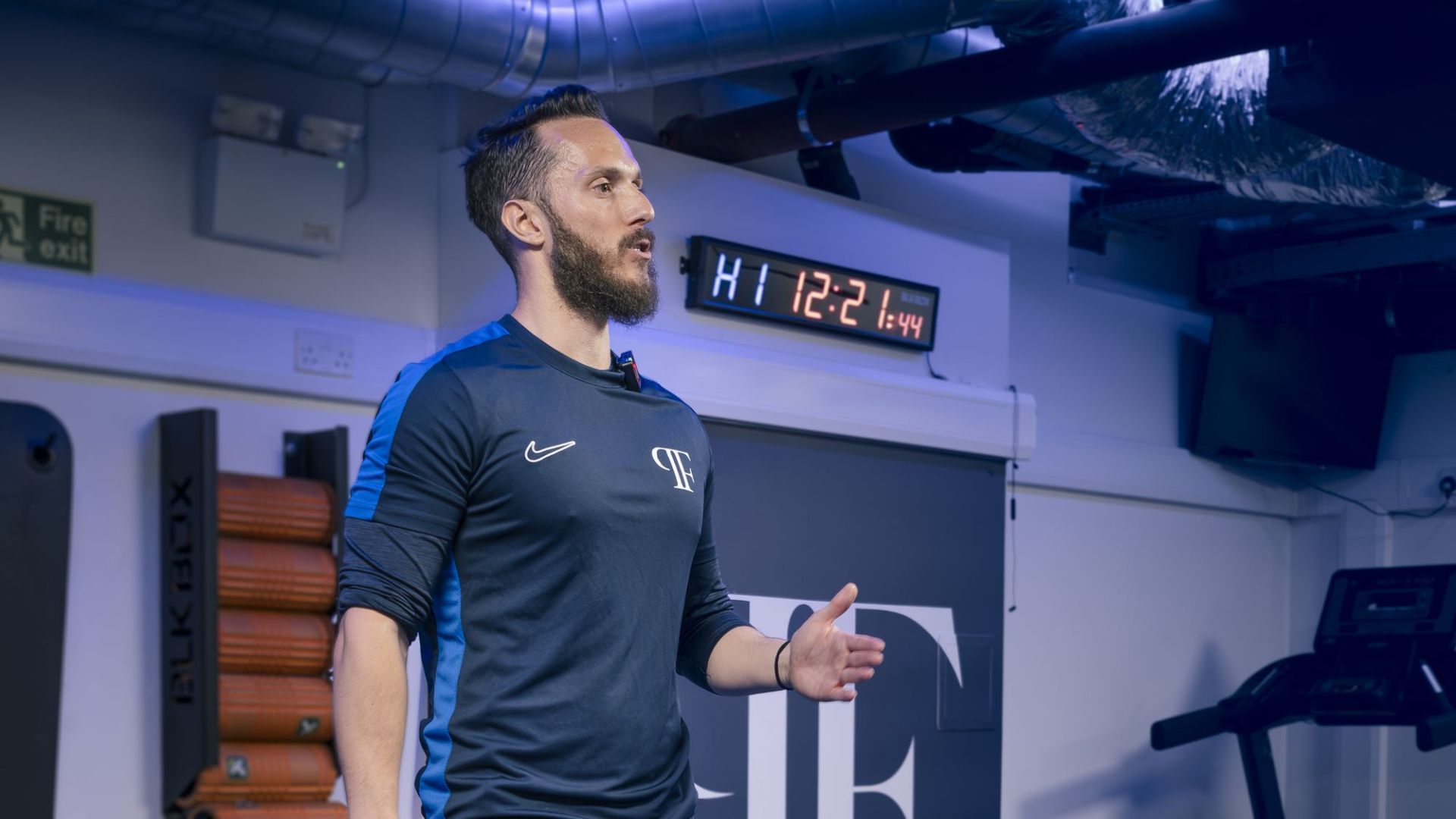
In-person learning is great if you know you work best with a timetable and people around you. Just make sure the schedule genuinely fits around your job and commitments for the whole course, not just the first few weeks.
Hybrid: the middle ground
Hybrid, sometimes called blended, combines online theory with face-to-face practical days. You get the flexibility to study around your life, plus the confidence of practising skills in person with tutors and other students. For many people it's the best of both, particularly if you're nervous about the practical side.
Which should you choose?
- Working full time or have young children? Online or hybrid will be far easier to fit in.
- Learn best by doing, with people around you? In person or hybrid.
- Want to qualify as quickly as possible? Online lets you go at your own speed, so you can move faster if you have the time.
- Nervous about practical exams? Hybrid gives you face-to-face practice before you're assessed.
- Struggle with motivation on your own? Choose in person, or an online course with a dedicated mentor and regular live calls.
Whichever you pick, you'll need both the Level 2 and Level 3 qualifications. Our guide to Level 2 vs Level 3 personal training explains why, and our step-by-step guide on how to become a personal trainer covers everything after you qualify.
Not sure which suits you?
Book a free strategy call and one of our team will help you work out which way of studying fits your life. Or download our brochure to compare all three options.
How Pro-Fitness Academy does it
Online, Hybrid or fully in person: same qualification, your choice
All of our personal trainer courses lead to the same Combined Diploma in Personal Training (Level 2 Gym Instructor and Level 3 Personal Trainer). It is VTCT accredited, CIMSPA endorsed and internationally recognised through iTEC.
- Online: a video-based learning platform you study at your own pace, with a dedicated 1-to-1 mentor, weekly live group support calls and monthly live workshops.
- Hybrid: everything in Online, plus two live event days at iconic venues with live speakers, practical workshops and networking.
- In person: we offer in-person courses across the UK. Get in touch for details in your area.
- Practicals: film your practical sessions and upload them, or be assessed in person.
- Time: most online and hybrid students finish in 10 to 12 weeks at around 3 hours a week, or 6 to 8 weeks on our fast track.
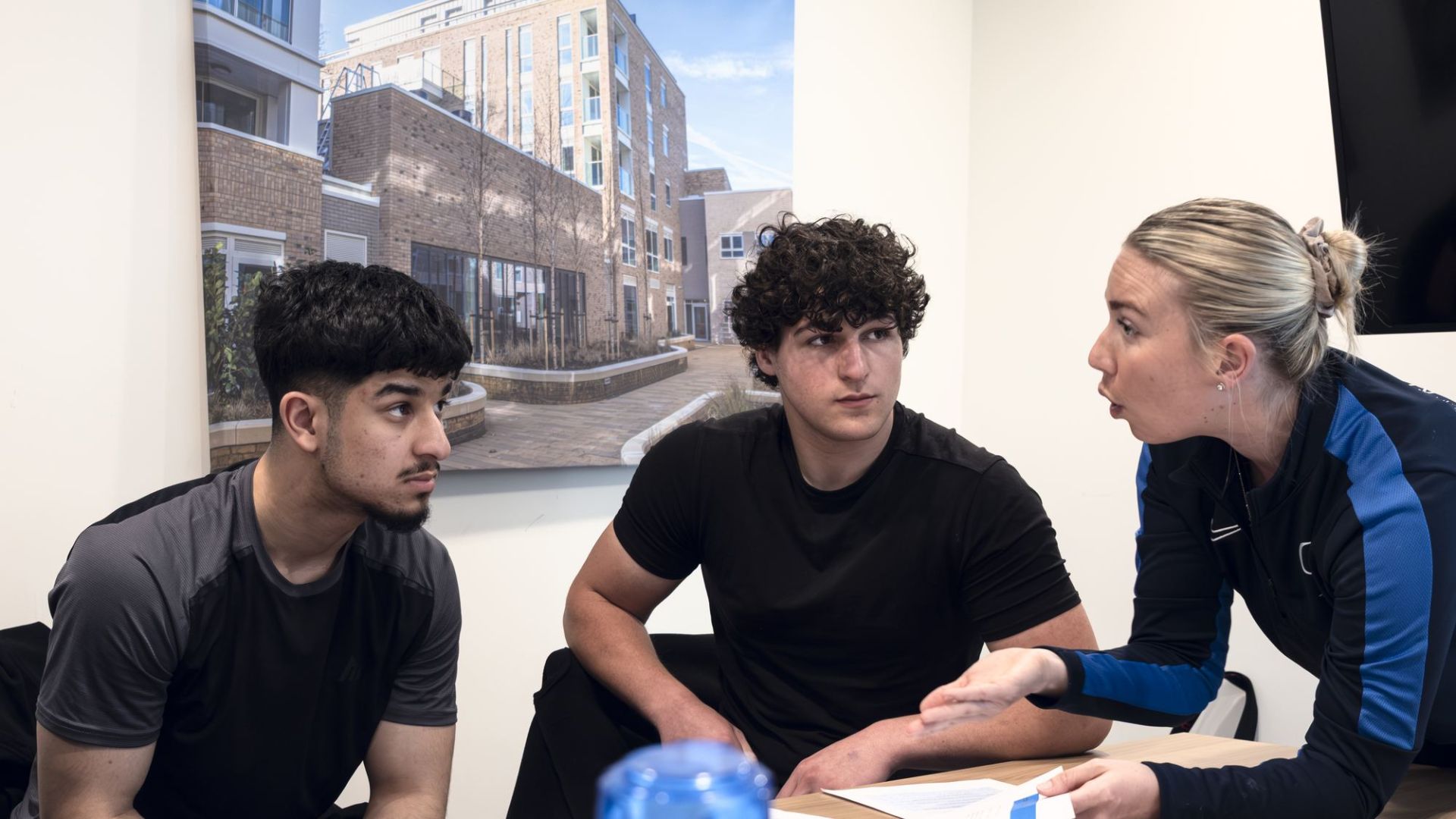
"1-on-1 tutor support whenever it's needed, and the online portal is very easy to use."Ash W., Pro-Fitness Academy student, on Trustpilot
Frequently asked questions
Can you become a personal trainer online?
Yes. You can study all the theory online and gain the same Level 2 and Level 3 qualifications as a classroom course. Your practical skills are still assessed, either by filming your sessions and uploading them or at an assessment day.
Is an online personal trainer course recognised?
Yes, as long as the qualification comes from an Ofqual-regulated awarding body and the course is CIMSPA endorsed. The certificate is the same whether you studied online or in person.
How long does an online personal trainer course take?
Most people studying online part time finish in around 2 to 4 months. Because you go at your own pace, you can finish faster if you have more time to give.
What is a hybrid personal trainer course?
A hybrid or blended course combines online theory with face-to-face practical days, so you get flexibility plus hands-on practice with tutors.
Is in-person better for practical skills?
It gives you the most face-to-face practice, but a good online or hybrid course can build the same skills through practice with volunteers, tutor feedback and practical workshops.
Find the right course for you
Download our free brochure for full details of all three options, prices and payment plans, or book a free strategy call. No pressure, no obligation.