
You don't need a sports science degree or years in the gym to become a personal trainer in the UK. You need the right qualifications, some hands-on practice, a few practical essentials like insurance and first aid, and a plan for finding your first clients. This guide takes you through each step, how long it really takes and what your options are once you qualify.
The short version
- Check the job suits you. No experience is needed, and most courses accept you from age 16.
- Get qualified with a Level 2 Gym Instructor and a Level 3 Personal Trainer qualification, usually taken together as one diploma.
- Practise on real people while you study.
- Sort out first aid, insurance and, if you need one, a DBS check.
- Decide how you want to work: employed, self-employed, or online.
- Find your first clients.
- Keep learning and specialise.
Check the job suits you
Personal trainers help people get fitter, stronger and healthier through one-to-one or small group coaching. A typical week includes consultations with new clients, writing training programmes, coaching sessions, checking in on progress and giving general healthy eating guidance.
You'll do well if you:
- enjoy talking to people and helping them feel confident
- are happy to work early mornings, evenings or weekends, when most clients are free
- can motivate people without making them feel judged
- want to keep learning, because the industry keeps moving
You don't need any previous qualifications or experience to start training. What matters most is that you are genuinely interested in people.
STEP 2Get qualified
To work as a personal trainer you need recognised qualifications. Without them you can't get personal trainer insurance, and gyms won't hire you or let you train clients in their facilities. In the UK that means two qualifications:
- Level 2 Gym Instructor: working safely on a gym floor, inductions, basic programming and anatomy.
- Level 3 Personal Trainer: client consultations, programme design, nutrition, behaviour change and coaching one to one.
Level 2 on its own lets you work as a gym instructor. Level 3 is what qualifies you as a personal trainer. Most people take both together as a combined diploma. Our guide to Level 2 vs Level 3 personal training explains the difference in detail.
What to look for in a course
- A regulated awarding body. The qualification should be issued by an Ofqual-regulated awarding body such as VTCT, Active IQ, Focus Awards or YMCA Awards.
- CIMSPA endorsement. CIMSPA is the professional body for the UK sport and physical activity sector. You can check whether a course is genuinely endorsed on the CIMSPA website, because showing the logo is not the same as being endorsed.
- A way of studying you'll stick with. Online, blended or fully in person. The best format is the one that fits around your work and family.
- Real support. A named tutor or mentor and live calls make a big difference to whether people finish.
We've written a full, honest comparison of the main UK providers in our guide to the best personal training courses in the UK, including the questions to ask before you pay.
The main routes to qualifying
| Route | How it works | Typical time | Good for |
|---|---|---|---|
| Online or hybrid course | Study theory online at your own pace, with practicals filmed or assessed in person | Around 2 to 4 months part time | People working full time or with families |
| Full-time intensive | Daily classroom and gym sessions at a training centre | A few weeks | People who can take time off and want to qualify fast |
| Blended course | Online theory plus set practical days at a centre | A few months | People who want structured face-to-face days |
| College | Classroom-based diploma on a timetable | Often a full academic year | School leavers and those who prefer a timetable |
| Apprenticeship | Personal Trainer Level 3 apprenticeship, working for an employer while you train | Usually a year or more | People who want to earn while they learn |
Times are typical ranges. They depend on the provider and how many hours a week you put in.
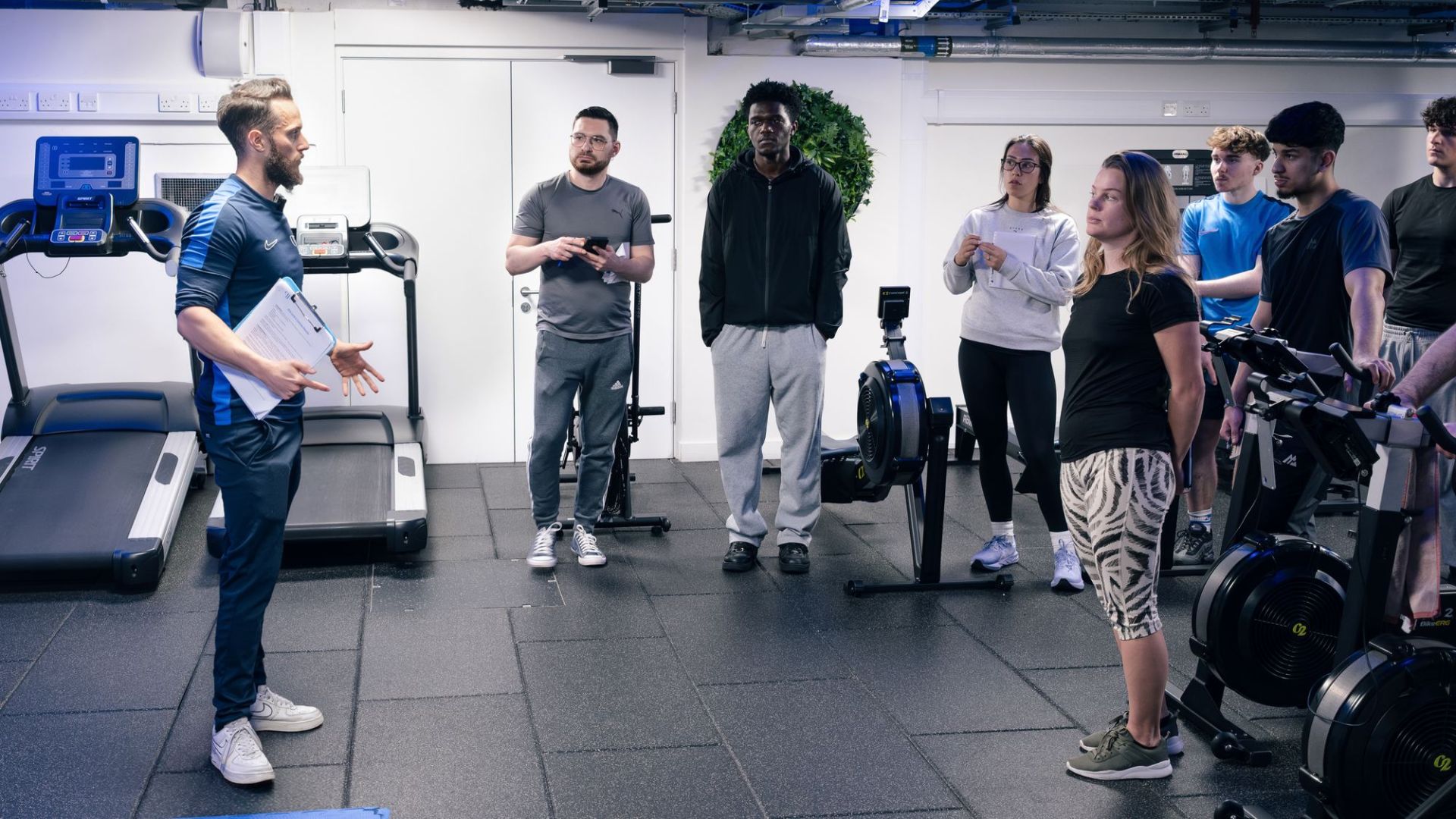
Practise on real people while you study
Every course ends with practical assessments where you run real sessions, such as a gym induction for Level 2 and a full personal training session and consultation for Level 3. The best way to prepare is to start coaching early.
- Train friends, family or colleagues for free while you learn. It builds confidence and gives you people to work with for your practicals.
- Practise your consultations, not just the workouts. Asking good questions is a big part of the job.
- Take notes on what works with different people. These early clients often become your first testimonials and referrals.
Sort out first aid, insurance and checks
- First aid: a first aid certificate that includes CPR is standard for personal trainers, and many employers and insurers ask for one. You don't usually need it to start a course.
- Insurance: if you're self-employed, you'll need public liability insurance, and many trainers add professional indemnity cover too. Insurers will want to see a recognised qualification for the work you do.
- DBS check: if you'll work with children or vulnerable adults, expect to need an enhanced background check.
Decide how you want to work
Employed in a gym
You're paid a wage, often starting as a gym instructor and building up personal training clients. It's a steady way to start and gain experience.
Self-employed in a gym
Many trainers work as freelancers in a gym. Arrangements vary: some gyms charge a monthly rent, while others take a share of your session fees. You keep more control over your prices and hours, and you're responsible for finding clients.
Your own studio, outdoor or mobile training
Some trainers rent a studio, train clients outdoors or travel to clients' homes. This gives you the most freedom, with more set-up and marketing to handle.
Online coaching
Programmes, check-ins and video calls let you coach clients anywhere. Many trainers combine online coaching with face-to-face sessions.
STEP 6Find your first clients
- Start with people you know. Friends, family and the people you trained while studying are your first referrals.
- Be visible. If you work in a gym, chat to members, offer free form checks and be helpful on the floor.
- Use social media well. Share useful tips and client progress (with permission) rather than just workouts.
- Ask for reviews and referrals. Happy clients are the best marketing you'll ever have.
- Pick a focus. "I help busy parents get strong" is easier to remember than "I train everyone".
Keep learning and specialise
Qualifying is the start, not the finish. Personal trainers often add courses in areas such as nutrition, pre and post natal training, group training, yoga or pilates, or working with people who have certain medical conditions. Specialising helps you stand out and can let you charge more.
How much do personal trainers earn?
Earnings vary a lot. They depend on where you live, how you work, how many sessions you run each week and what you charge. Employed trainers earn a wage, while self-employed trainers set their own prices and earn more as their client base grows.
To see what's realistic for you, try our free personal trainer income calculator. Put in your own session price and hours to get an estimate. For a full breakdown of prices, costs and worked examples, read our guide on how much personal trainers earn in the UK.
Ready to take step 2?
Our free brochure covers the full course, what's included, prices and payment plans, so you know exactly what you'd be signing up for.
How Pro-Fitness Academy can help
Our Combined Diploma in Personal Training
Our personal trainer courses combine the Level 2 Gym Instructor and Level 3 Personal Trainer qualifications in one diploma. It is VTCT accredited, CIMSPA endorsed and internationally recognised through iTEC.
- Three ways to study: Online, Hybrid, or a fully in-person course.
- No experience needed: you can start from age 16.
- Support: a dedicated 1-to-1 mentor, weekly live group support calls and monthly live workshops.
- Exams and practicals: theory exams are taken online, and you can film your practical sessions and upload them, or be assessed in person.
- Time: most students finish in 10 to 12 weeks at around 3 hours a week, or 6 to 8 weeks on our fast track.
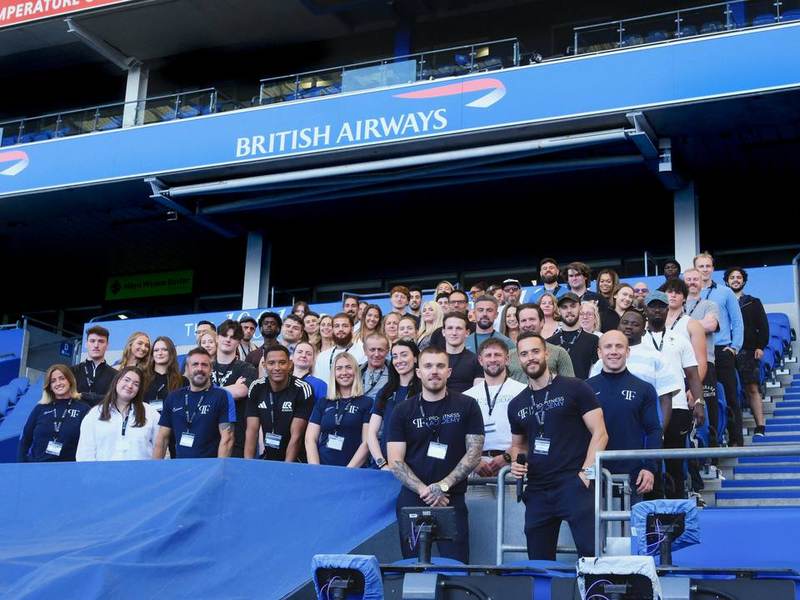
- Hybrid adds two live event days at iconic venues, with live speakers, practical workshops and networking.
- Career support is included, and payment plans have no interest and no credit checks.
"1-on-1 tutor support whenever it's needed, and the online portal is very easy to use."Ash W., Pro-Fitness Academy student, on Trustpilot
Frequently asked questions
How long does it take to become a personal trainer in the UK?
Most people studying part time or online qualify in around 2 to 4 months. Full-time intensive courses can take a few weeks, while college courses and apprenticeships usually take a year or more.
Do I need a degree to become a personal trainer?
No. You need a Level 2 Gym Instructor and a Level 3 Personal Trainer qualification. A degree in sport science can be useful, but it isn't required.
Do I need both Level 2 and Level 3?
Yes. Level 2 qualifies you as a gym instructor, and Level 3 is what qualifies you to work as a personal trainer. Most people take them together as a combined diploma.
Can I become a personal trainer online?
You can study all the theory online. Your practical skills still need to be assessed, either at a centre or, with some providers, by filming your sessions and uploading them.
Can I become a personal trainer with no experience?
Yes. Most courses need no previous experience or qualifications. You usually need to be at least 16.
Do I need first aid and insurance?
A first aid certificate that includes CPR is standard and often asked for by employers and insurers. If you're self-employed, you'll also need insurance, usually public liability and often professional indemnity.
Start your journey with Pro-Fitness Academy
Download our free brochure for full course details, prices and payment plans, or book a free strategy call and one of our team will talk you through your options. No pressure, no obligation.