
If you're looking into fitness qualifications, you'll quickly see two levels mentioned everywhere: Level 2 and Level 3. They're not two versions of the same thing. One qualifies you to work on a gym floor, the other qualifies you as a personal trainer. This guide explains the difference, whether you need both, and which route makes most sense for you.
The short answer
- Level 2 (Gym Instructor) qualifies you to work on a gym floor: inductions, safe equipment use and general gym programmes.
- Level 3 (Personal Trainer) qualifies you as a personal trainer: one-to-one clients, tailored programmes, nutrition guidance and behaviour change.
- You usually need Level 2 before Level 3. Most awarding bodies list a Level 2 gym instructing qualification as an entry requirement for the Level 3 diploma.
- If you want to be a personal trainer, you need both. Most people take them together as a combined diploma.
Level 2 vs Level 3 at a glance
| Level 2 Gym Instructor | Level 3 Personal Trainer | |
|---|---|---|
| Job title | Gym instructor or fitness instructor | Personal trainer |
| What you can do | Gym inductions, show people how to use equipment safely, write general gym programmes, supervise the gym floor | Work one to one with clients, run consultations, design tailored programmes, give healthy eating guidance and help people change habits |
| Typical topics | Anatomy and physiology basics, health and safety, inductions, gym-based programming, customer service | Applied anatomy and physiology, nutrition, lifestyle and common medical conditions, behaviour change, programme design, professionalism and business skills |
| Practical assessment | Usually a gym induction with a real person | Usually a client consultation and a full personal training session |
| Entry requirements | Usually none. Most courses accept learners from 16 | A suitable Level 2 gym instructing qualification |
| Where it leads | Level 3 Personal Trainer | Specialisms such as Level 4 qualifications, Pilates, yoga or sports massage |
Exact unit titles vary between awarding bodies, but the scope of each level is broadly the same across the UK.
What Level 2 Gym Instructor covers
Level 2 is the foundation. It teaches you how to keep people safe and confident in a gym. You'll learn the basics of how the body works and responds to exercise, how to induct new members, how to demonstrate equipment and how to write simple, safe programmes for the general public.
On its own, Level 2 lets you work as a gym instructor. It's a common first job in the industry, and many trainers start there while they build up experience.
What Level 3 Personal Trainer covers
Level 3 builds on everything from Level 2 and moves you from the gym floor to working one to one. Typical units include:
- Applied anatomy and physiology for exercise and health
- Nutrition and how to apply it to exercise and health
- Lifestyle, wellbeing and common medical conditions
- Helping clients build positive habits and stick to them
- Designing and delivering personal training programmes
- Professionalism and the business side of personal training
This is the qualification gyms and insurers look for when you want to work as a personal trainer.
Can I go straight to Level 3?
Usually not. Most Level 3 personal training diplomas list a Level 2 gym instructing qualification as an entry requirement, because Level 3 builds directly on what you learn at Level 2. That's why most people take a combined Level 2 and Level 3 diploma. You study both in one course, in the right order, without having to enrol twice.
Should I just do Level 2?
Level 2 on its own makes sense if you only want to work as a gym instructor, or if you'd like to test the waters before committing. The downside is that you can't work as a personal trainer with Level 2 alone, so if that's your goal you'll need to come back for Level 3 later. Taking them together is usually quicker and simpler.
Not sure which way to go? Our guide on how to become a personal trainer walks through every step, from qualifying to finding your first clients.
Want both in one course?
Our free brochure explains our combined Level 2 and Level 3 diploma, what's included, prices and payment plans.
How long does each level take?
It depends on the provider and how much time you can give it. As a rough guide, Level 2 on its own can take a few weeks, and a combined Level 2 and Level 3 diploma usually takes around 2 to 4 months part time. Full-time intensive courses can be quicker, while college courses often run over an academic year.
What comes after Level 3?
Once you're a qualified personal trainer, you can keep building your skills. Common next steps include Level 4 qualifications for working with specialist groups, such as people with back pain or long-term health conditions, as well as Pilates, yoga, sports massage or nutrition courses. Specialising helps you stand out and can increase what you charge. Our free personal trainer income calculator shows what different session prices and hours could add up to.
How Pro-Fitness Academy can help
Level 2 and Level 3 in one combined diploma
Our personal trainer courses combine the Level 2 Certificate in Gym Instructing and the Level 3 Diploma in Personal Training. It is VTCT accredited, CIMSPA endorsed and internationally recognised through iTEC.
- No experience needed: you can start from age 16.
- Three ways to study: Online, Hybrid, or a fully in-person course.
- Support: a dedicated 1-to-1 mentor, weekly live group support calls and monthly live workshops.
- Exams and practicals: theory exams are taken online, and you can film your practical sessions and upload them, or be assessed in person.
- Time: most students finish in 10 to 12 weeks at around 3 hours a week, or 6 to 8 weeks on our fast track.
- Hybrid adds two live event days at iconic venues, with live speakers, practical workshops and networking.
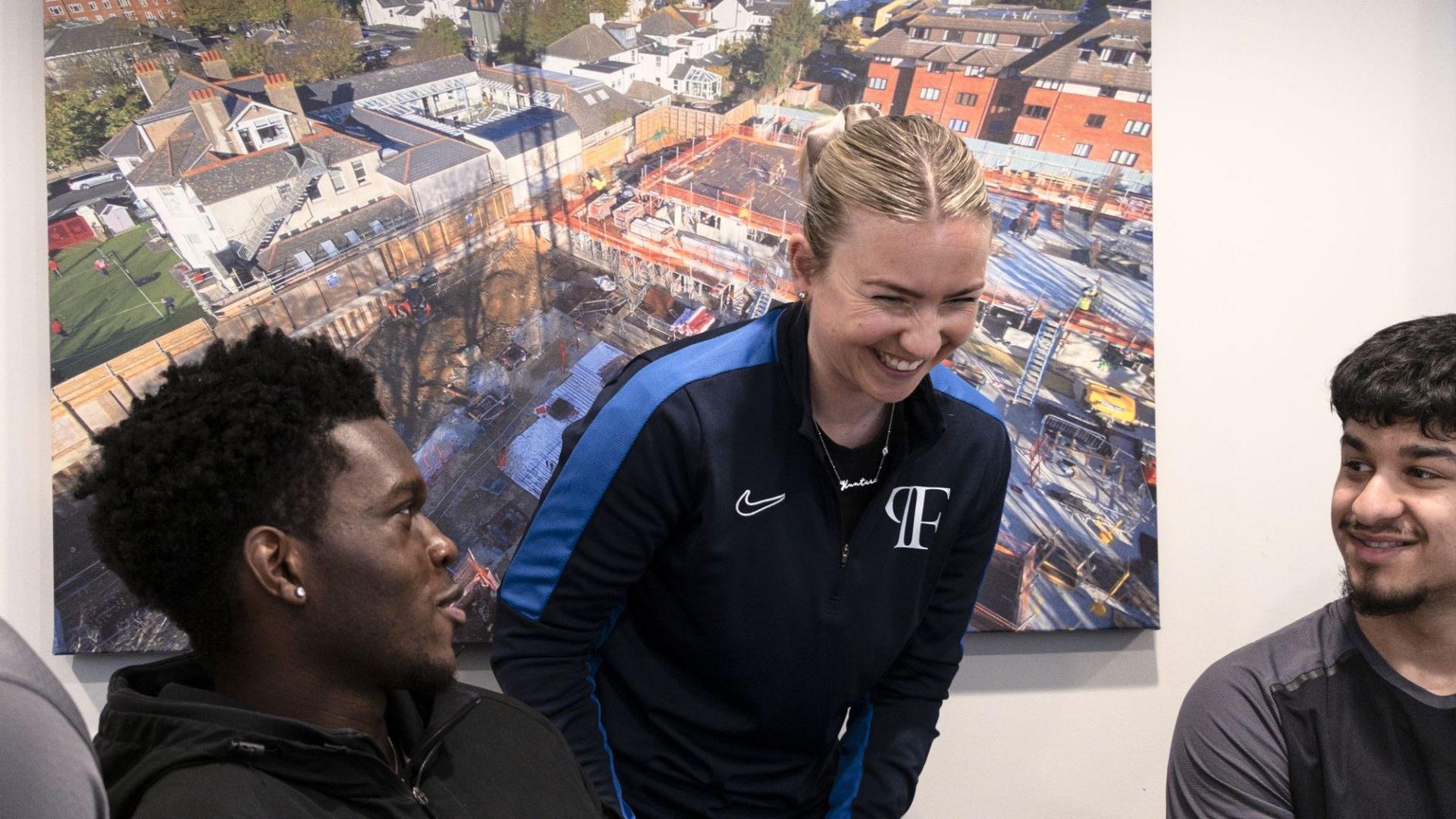
"1-on-1 tutor support whenever it's needed, and the online portal is very easy to use."Ash W., Pro-Fitness Academy student, on Trustpilot
Frequently asked questions
What is the difference between Level 2 and Level 3 personal training?
Level 2 qualifies you as a gym instructor, covering inductions and general gym programmes. Level 3 qualifies you as a personal trainer, covering one-to-one clients, tailored programmes, nutrition and behaviour change.
Can I be a personal trainer with Level 2?
No. Level 2 lets you work as a gym instructor. To work as a personal trainer you need a Level 3 personal training qualification.
Do I need Level 2 before Level 3?
Usually, yes. Most Level 3 personal training diplomas require a Level 2 gym instructing qualification first, which is why most people take a combined Level 2 and Level 3 diploma.
Is a combined diploma the same as doing both separately?
Yes. A combined diploma includes both the Level 2 and Level 3 qualifications. You study them in one course instead of enrolling twice.
How long does a Level 2 and 3 personal training course take?
Most people studying part time or online finish a combined diploma in around 2 to 4 months. Full-time intensive courses can be quicker.
Get Level 2 and Level 3 with Pro-Fitness Academy
Download our free brochure for full course details, prices and payment plans, or book a free strategy call and one of our team will talk you through your options. No pressure, no obligation.