
Online coaching lets you work with clients anywhere, at times that suit you, without being tied to a gym floor. It has become a popular way for personal trainers to add income, and some build their whole business around it. This guide explains what you need to get started, how online coaching works day to day, and how to win your first clients.
The short answer
- Qualify as a personal trainer first. A Level 3 qualification is what most insurers, gyms and clients expect.
- Get insurance that covers online coaching, and handle client data properly.
- Most online PTs start with in-person clients, then add online coaching as their reputation grows.
- Your coaching is the product. Clear programmes, regular check-ins and real support keep online clients.
What an online personal trainer does
An online personal trainer designs training programmes and supports clients remotely. Most online coaching includes some mix of:
- A consultation and health screening before you start
- A personalised training programme, often delivered through an app
- Weekly check-ins on progress, technique videos and feedback
- Nutrition and habit guidance, within your scope of practice
- Live video sessions for clients who want them
It's the same job as in-person training, done differently. Our guide on what a personal trainer does covers the core skills.
Step 1: Get qualified
In the UK, the standard qualifications are a Level 2 in Gym Instructing and a Level 3 Diploma in Personal Training, usually taken together. There is no separate "online PT" licence, but the Level 3 is what insurers, employers and most clients look for. It's also what teaches you to screen clients safely, programme properly and adapt exercises, which matters even more when you can't see someone in person.
Look for a regulated qualification from a recognised awarding body and CIMSPA endorsement. Read Level 2 vs Level 3 if you're not sure which you need.
Step 2: Get insured and set up properly
- Insurance. Check that your policy covers online and remote coaching, not just in-person sessions. Public liability and professional indemnity are the covers most online coaches ask about.
- Health screening. Use a proper pre-exercise questionnaire (often called a PAR-Q) and refer clients to their GP when you need to.
- Data protection. You'll hold personal and health information about clients, so store it securely and be clear about how you use it. The Information Commissioner's Office (ICO) has guidance for small businesses, including whether you need to pay its data protection fee.
- Register as self-employed with HMRC if your coaching income goes over £1,000 in a tax year. Our self-employed PT guide explains the steps.
Step 3: Choose how you'll coach
| Format | How it works | Good for |
|---|---|---|
| Programme plus check-ins | A tailored plan in an app, with weekly check-ins and feedback. | Clients who are fairly confident in the gym and want structure. |
| Live video sessions | One-to-one sessions over video call. | Home training and clients who want accountability in the moment. |
| Hybrid coaching | Some in-person sessions, with online programming in between. | Local clients who can't afford weekly sessions, or want extra support. |
| Small group programmes | One plan for a group, with group calls and a community chat. | Reaching more people at a lower price per person. |
Many trainers start with hybrid coaching for their existing in-person clients. It's an easy way to test your systems before you sell online coaching to strangers.
Step 4: Set your prices
Online coaching is usually sold as a monthly package rather than per session. Price it on the support you give: how often you check in, how quickly you reply, and whether live calls are included. Start simple, with one or two packages, and raise your prices as you collect results and testimonials. For a sense of what personal trainers earn overall, read how much personal trainers earn in the UK.
Step 5: Find your first online clients
- Start with people who already know you. Existing clients, friends and their contacts.
- Pick a clear focus, such as busy parents, beginners over 40 or runners who want to get stronger.
- Post useful content consistently. Show how you coach, share client wins (with permission) and answer common questions.
- Collect testimonials early and make it easy for happy clients to refer friends.
Our guide on how to get your first personal training clients has more ideas, most of which work online too.
The pros and cons of online coaching
| Pros | Cons |
|---|---|
| Work from anywhere, at hours that suit you | Harder to correct technique in real time |
| Coach more clients in the same time | Clients can drop off more easily without regular contact |
| Not limited to your local area | A crowded market, so you need a clear message |
| Lower costs, with no gym rent | Takes time to build trust with people who have never met you |
How Pro-Fitness Academy can help
Qualify as a PT, then coach in person or online
Our personal trainer courses lead to a Combined Diploma in Personal Training (Level 2 Gym Instructor and Level 3 Personal Trainer). It is VTCT accredited, CIMSPA endorsed and internationally recognised through iTEC.
- A dedicated 1-to-1 mentor from your first week until you qualify.
- Weekly live group support calls and monthly live workshops.
- Everything unlocked from day one, so you can study around work and family.
- Theory exams taken online, and practicals filmed and uploaded at no extra cost.
- Payment plans with no interest and no credit checks.
- Career support to help you get started once you qualify.
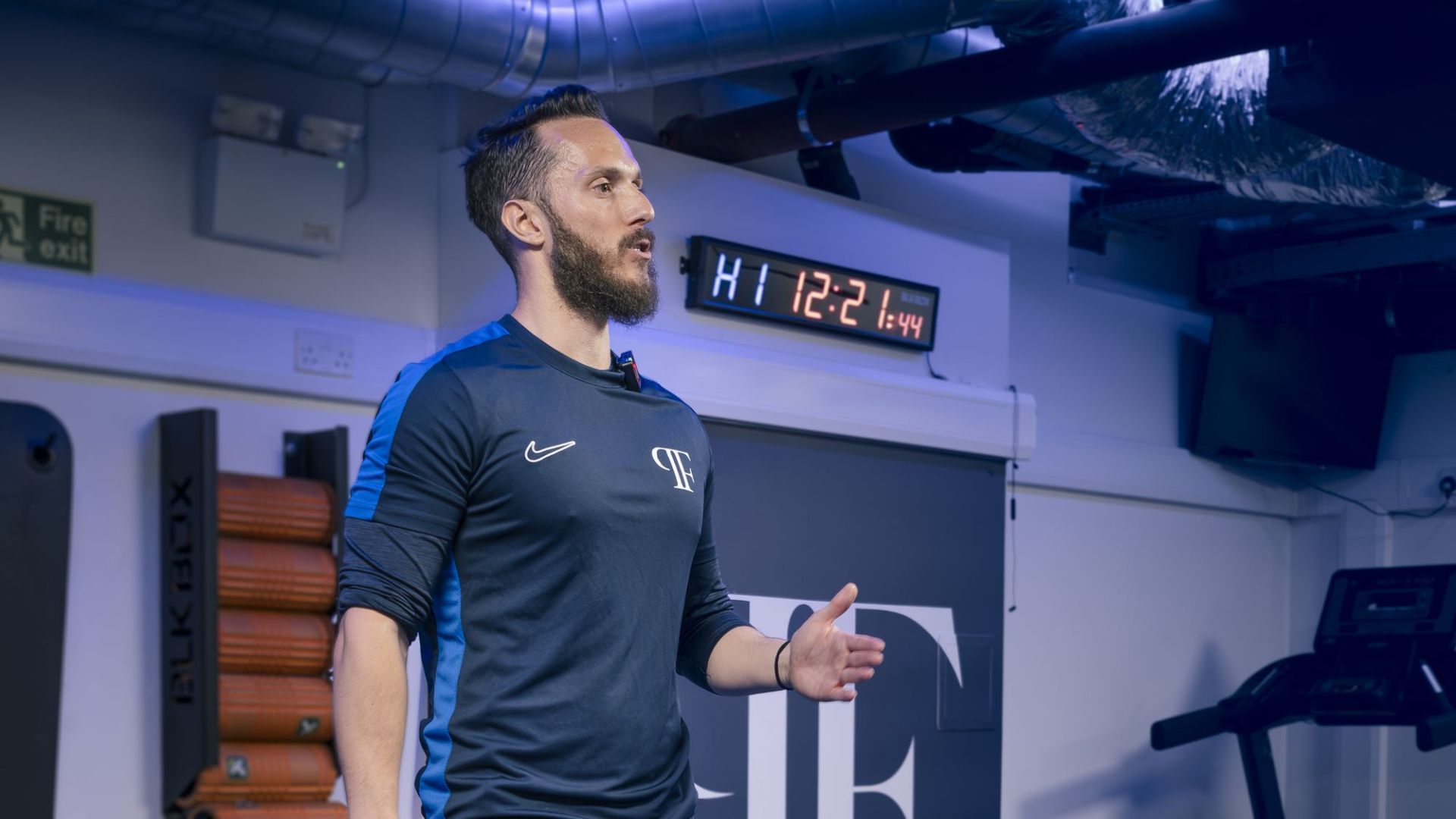
"1-on-1 tutor support whenever it's needed, and the online portal is very easy to use."Ash W., Pro-Fitness Academy student, on Trustpilot
Frequently asked questions
Do you need a qualification to be an online personal trainer?
There is no separate legal licence, but you should hold a Level 3 personal training qualification. Insurers, employers and most clients expect it, and it teaches you to screen, programme and adapt safely.
Can I become an online personal trainer with no experience?
Yes. Start by qualifying with a combined Level 2 & 3 course, which needs no previous experience. Most online PTs build confidence with a few in-person or hybrid clients first.
Do I need insurance to coach online?
Yes. Check that your policy specifically covers online and remote coaching, as well as any in-person work you do.
How much do online personal trainers charge?
Online coaching is usually sold as a monthly package. Prices vary widely with the level of support, how often you check in and whether live calls are included.
Can I study to become a personal trainer online?
Yes. With Pro-Fitness Academy you study online, take theory exams from home and film your practical assessments, with a dedicated mentor supporting you.
Start your online coaching career with Pro-Fitness Academy
Download our free brochure for full course details, prices and payment plans, or book a free strategy call. No pressure, no obligation.