
From the outside, personal training looks like coaching workouts. In reality, it's a mix of coaching, planning, listening, motivating and running a small business. If you're thinking about becoming a personal trainer, here's a realistic look at what the job involves day to day.
The short answer
Personal trainers help clients reach their health and fitness goals through one-to-one or small group coaching. A typical day includes coaching sessions, consultations with new clients, writing programmes, checking in on progress and, for self-employed trainers, marketing and admin.
A typical day
Every trainer's day is different, but many look something like this:
| Time | What you might be doing |
|---|---|
| Early morning | Coaching clients before they go to work |
| Late morning | Writing programmes, replying to messages, posting on social media |
| Midday | Lunchtime sessions, a consultation with a new client |
| Afternoon | Your own training, learning, admin and planning |
| Evening | Coaching clients after work, often the busiest time of day |
An example only. Many trainers work split shifts, with quieter periods in the middle of the day.
The main parts of the job
Coaching sessions
The heart of the job. You'll guide clients through exercises, correct their technique, keep them safe and keep them motivated.
Consultations
Before you start working with someone, you'll find out about their goals, lifestyle, health and training history. Good consultations build trust and help you design the right programme.
Programme design
You'll plan each client's training so they make steady progress, adjusting it as they improve or if life gets in the way.
Nutrition and habit guidance
Many clients want help with healthy eating and building habits that last. Personal trainers give general guidance within their qualification.
Check-ins and motivation
Messages between sessions, celebrating wins and helping clients through setbacks are a big part of keeping them on track.
Business and marketing
If you're self-employed, you'll also handle bookings, payments, social media, finding new clients and keeping on top of tax and insurance.
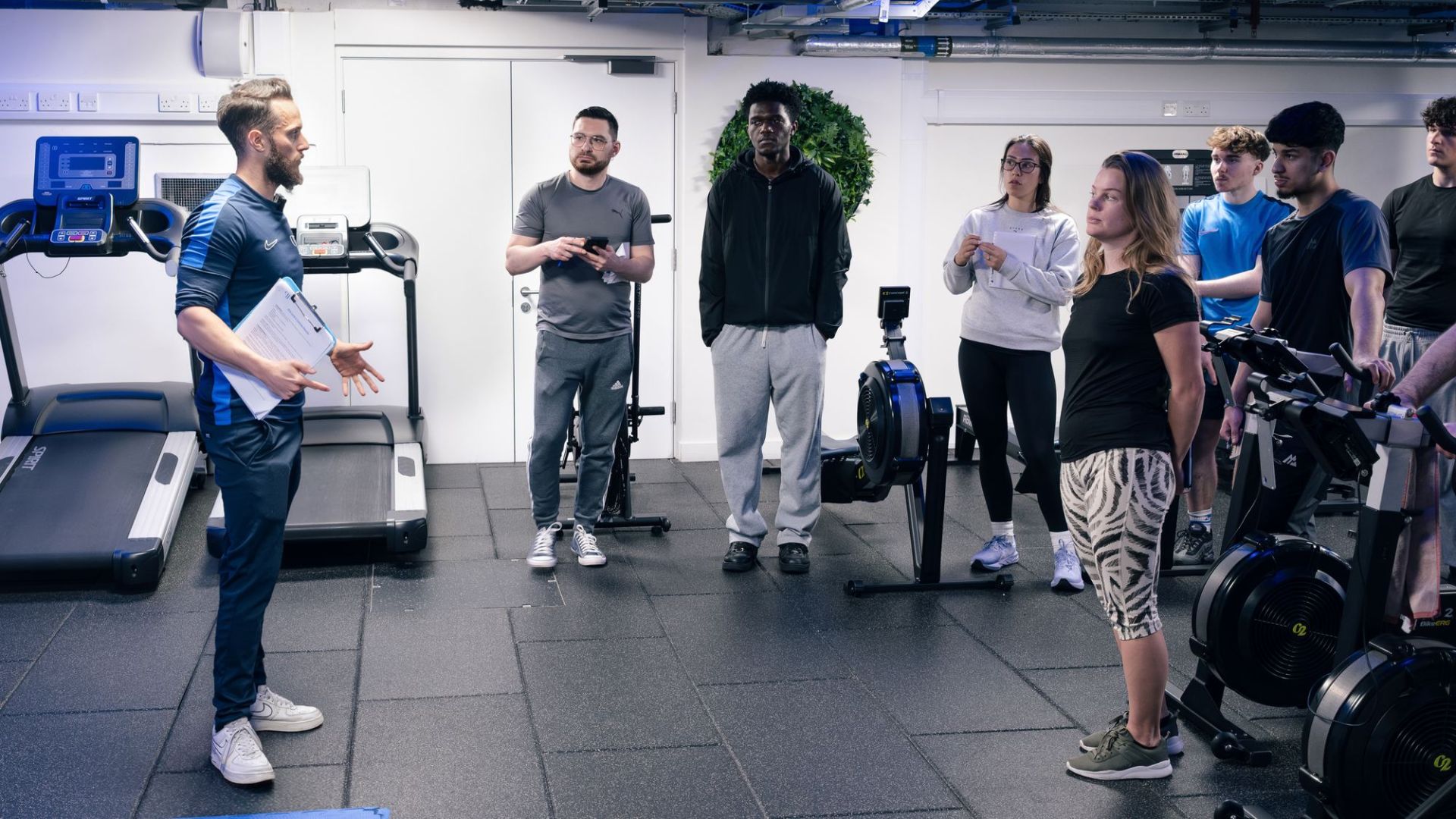
Skills that make a great personal trainer
- Communication: explaining exercises clearly and listening well
- Empathy: understanding what clients are going through
- Motivation: helping people keep going when it gets hard
- Organisation: managing your diary, programmes and admin
- Technical knowledge: anatomy, programming and nutrition
- A willingness to keep learning
Where personal trainers work
- Commercial and independent gyms
- Their own studios
- Clients' homes and outdoor spaces
- Online, coaching clients remotely
Think this sounds like you?
Download our free brochure to see how our course prepares you for every part of the job, or book a free strategy call to talk it through.
Is it the right job for you?
If you enjoy helping people and don't mind early starts and evening sessions, personal training can be a hugely rewarding career. Our guides on how to become a personal trainer and how much personal trainers earn will help you decide.
How Pro-Fitness Academy can help
Learn every part of the job
Our personal trainer courses lead to a Combined Diploma in Personal Training (Level 2 Gym Instructor and Level 3 Personal Trainer). It is VTCT accredited, CIMSPA endorsed and internationally recognised through iTEC.
- Three ways to study: Online, Hybrid, or a fully in-person course.
- Support: a dedicated 1-to-1 mentor, weekly live group support calls and monthly live workshops.
- Time: most students finish in 10 to 12 weeks at around 3 hours a week, or 6 to 8 weeks on our fast track.
- Hybrid adds two live event days at iconic venues, with live speakers, practical workshops and networking.
- Payment plans have no interest and no credit checks.
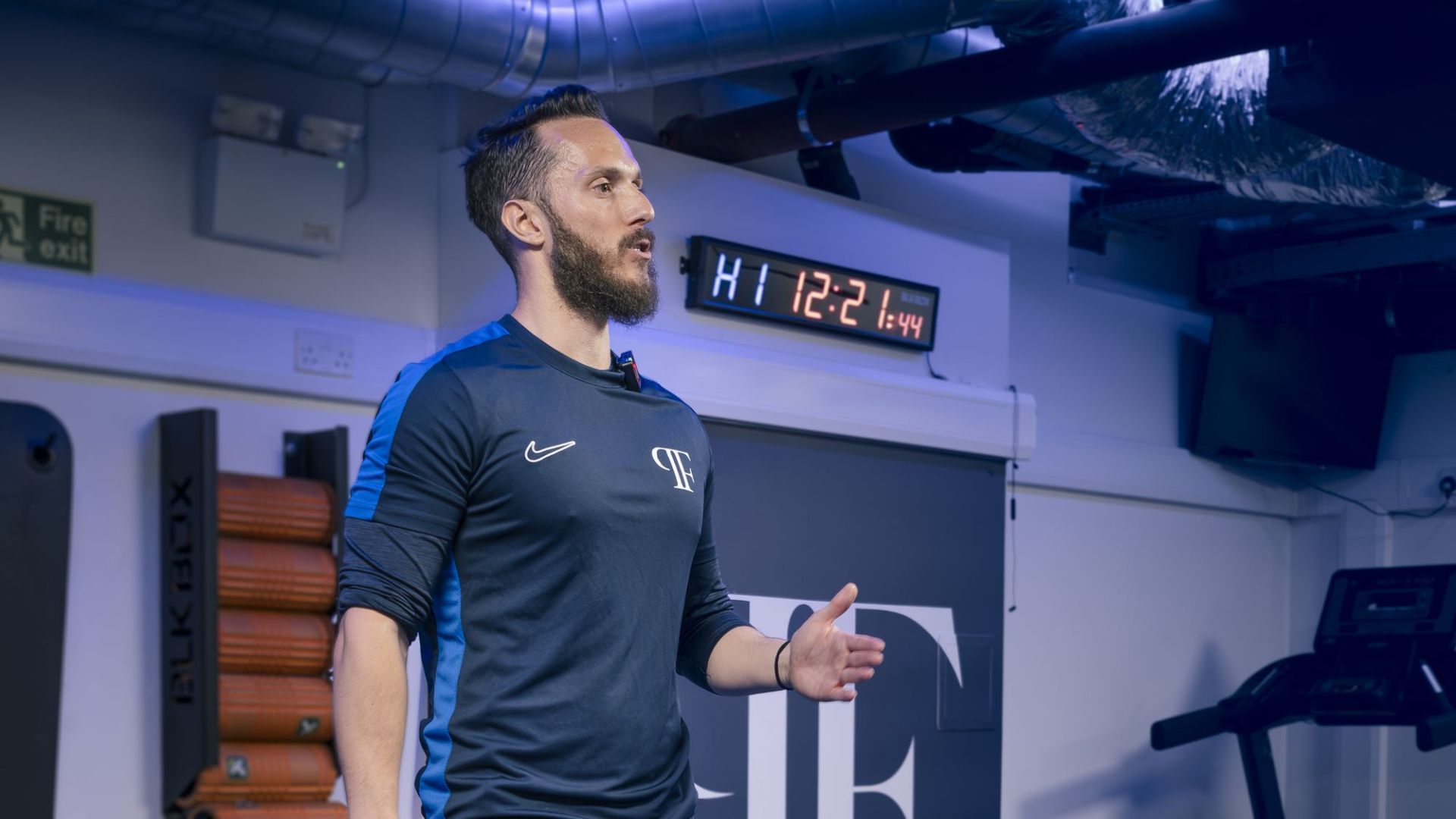
"1-on-1 tutor support whenever it's needed, and the online portal is very easy to use."Ash W., Pro-Fitness Academy student, on Trustpilot
Frequently asked questions
What does a personal trainer do?
Personal trainers help clients reach their health and fitness goals. They run consultations, design programmes, coach sessions, give general nutrition guidance and keep clients motivated.
What hours do personal trainers work?
Many work early mornings, evenings and weekends, when clients are free. Self-employed trainers can choose their own hours.
Do personal trainers give nutrition advice?
Personal trainers give general healthy eating guidance within their qualification. Specialist dietary advice should come from a qualified nutrition professional.
Where can personal trainers work?
In gyms, their own studios, clients' homes, outdoors or online.
Start your journey with Pro-Fitness Academy
Download our free brochure for full course details, prices and payment plans, or book a free strategy call. No pressure, no obligation.